What Is a Termite Bond? A Guide for South Carolina Homeowners
The short answer: A termite bond is a renewable service contract between you and a licensed pest control company. You pay to keep the contract active, usually once a year, and the company inspects your home on a set schedule and retreats it if termites come back. Some bonds also pay to repair new termite damage, up to a limit; many cover retreatment only. Despite the name, it is not an insurance policy or a surety bond, so what you actually get depends on the written contract.
In coastal South Carolina, where subterranean termites are active and Formosan termites are established in Horry and Georgetown Counties, a bond is one of the most common ways homeowners keep long-term termite protection in place. This guide explains the two main types, what South Carolina’s rules say about termite contracts, what can put your coverage at risk, and what to ask before you sign, renew, buy or sell.
Retreatment-Only vs. Retreatment-and-Repair Bonds
Most termite bonds fall into one of two types. The difference is whether the company pays only to treat termites again or also pays to fix the damage they cause.
| Retreatment-only bond | Retreatment-and-repair bond | |
|---|---|---|
| What it covers | Inspections plus retreatment of the home if termites return | Inspections, retreatment, and repair of new termite damage that occurs while the bond is active |
| What it does not cover | Repairing any termite damage | Usually damage that existed before coverage began, damage over the contract’s dollar limit, and personal belongings |
| Cost | Lower annual renewal | Higher, because the company takes on repair risk |
| Eligibility | Most homes that pass the initial inspection | Often stricter; the home may need repairs, moisture fixes or better crawl space access first |
| Best fit | Homeowners who mainly want ongoing monitoring and treatment | Homeowners who want help with the cost of future damage, such as homes with crawl spaces or past termite activity |
Read the terms closely either way. Clemson Cooperative Extension’s guide to termites warns that some pest control firms limit their liability for termite damage after treatment, and some contracts exclude damage done by specific termites, such as the Formosan subterranean termite.
What South Carolina Rules Say About Termite Contracts
South Carolina regulates termite work through the Department of Pesticide Regulation. The standards in S.C. Code Regs. § 27-1085 set a few protections every homeowner with a termite contract should know about:
- The written contract is binding. Treatment and inspections must follow the state standards and the terms of your written agreement for as long as the contract is valid.
- Records must be kept. The company must keep copies of your warranty, treatment records, waivers and inspection records for five years or for the length of the warranty, whichever is longer.
- Formosan coverage must be spelled out. The documents that come with a subterranean termite contract must say whether Formosan termites are covered and whether that coverage is retreatment only or includes repair of damage.
- Skipped treatment steps need your signature. A full treatment includes steps such as clearing wood debris from the crawl space, correcting wood-to-soil contact and removing mud tubes. If any required step will not be done, you must sign an Official Waiver of Standards form before work begins, and you get a signed copy.
- Inspections follow the contract or the product label. Your home must be inspected as often as the contract or the termiticide label requires, whichever is more frequent.
- New homes get a starting warranty. When a new single-family home is pretreated for termites, the company provides a one-year transferable warranty covering repair and retreatment, and must offer the owner the chance to renew it for the first five years after the initial treatment.
If you want to confirm that a company and its technician are licensed, the Department of Pesticide Regulation has a public applicator license lookup.
Why Formosan Coverage Matters on the Grand Strand
Native subterranean termites, found throughout South Carolina, live in the soil and travel through mud tubes to reach wood. The Formosan subterranean termite is an invasive species whose colonies are often much larger, sometimes with several million workers. Clemson’s FAQ on termite bonds and Formosan termites lists Horry and Georgetown among the 16 South Carolina counties where Formosan termites are established, while noting that they are not found everywhere in those counties.
The same professional products and methods control both types, so Formosan termites are a reason for attention, not alarm. The practical question is your paperwork. If your bond is older, or you received a letter about Formosan coverage, Clemson advises reading the latest version of your contract and asking the company which termites are covered, what damage (if any) is covered, and whether the contract needs to be amended.
What Can Put Your Termite Coverage at Risk
A bond only works if the treatment stays intact and the inspector can see what is happening. These are the most common ways homeowners weaken their own coverage:
- Letting the renewal lapse. Coverage typically ends when you stop paying the renewal. State rules let a company reinstate a contract that has lapsed for less than a year with a partial treatment, but a longer gap can mean starting over with a new inspection and treatment.
- Adding on or digging near the foundation. New rooms, porches, decks and landscaping that disturb the soil along the foundation can break the treated zone. For new-home warranties, South Carolina’s rules specifically exclude additions the company never had a chance to treat and landscaping that significantly disturbed the soil. Tell your pest company before you build or regrade.
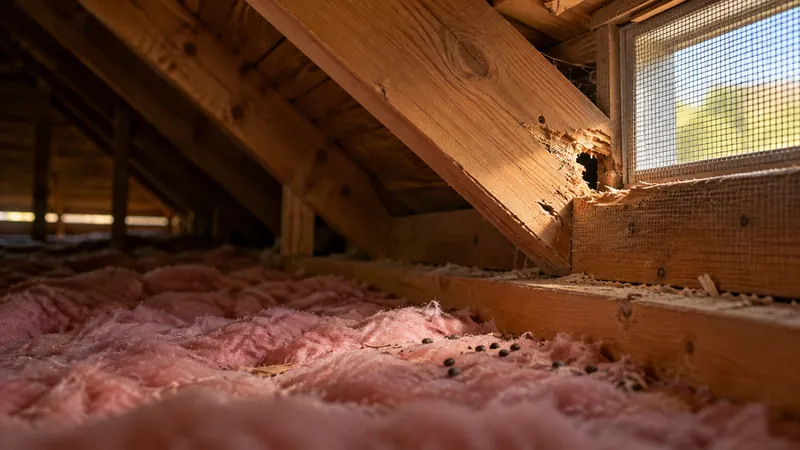
- Wood touching the soil. Untreated wood posts, steps, lattice or foam board insulation in contact with the ground give termites a hidden path into the house.
- Moisture in the crawl space. The state standards treat a wood moisture reading of 20% or higher, or standing water, as an excessive moisture condition, and wood decay fungi become active at about 28%. Leaks, poor drainage and missing vapor barriers invite both termites and rot.
- Mulch, debris and blocked access. Deep mulch against siding, stored lumber and debris in the crawl space hold moisture and hide termite activity. State standards call for at least 8 inches of clearance between untreated wood and the soil in crawl spaces so the structure can be inspected and treated.
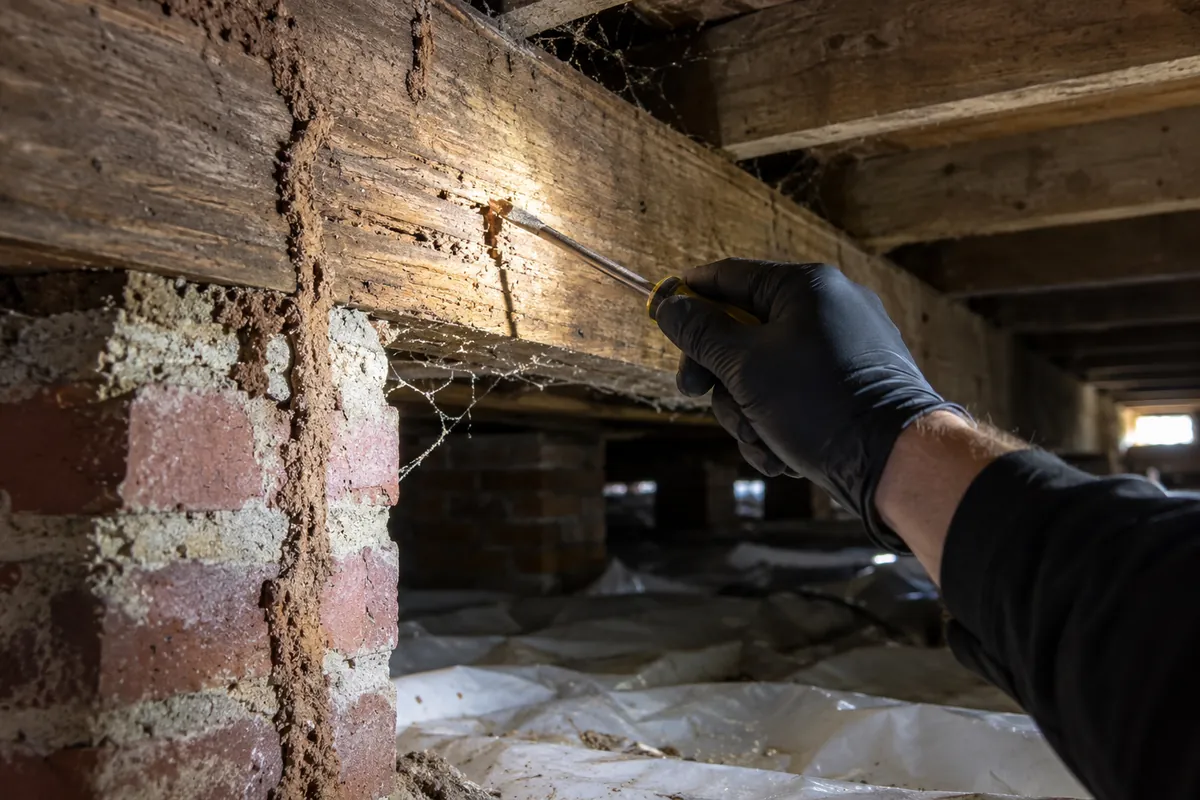
- Missing the signs between visits. Swarmers or piles of discarded wings indoors in spring are worth reporting right away. Here is how to tell flying ants from termite swarmers if you are not sure what you found.
Termite Bond vs. CL-100 Wood Infestation Report
Home buyers in South Carolina often hear both terms during a sale, but they are different things:
- A termite bond is ongoing protection: a contract that keeps inspections and retreatment (and sometimes repairs) in place year after year.
- A CL-100, formally the Official South Carolina Wood Infestation Report, is a one-time snapshot of a home’s condition, typically ordered for a sale or mortgage. Under state rules it must be issued on the official form by a properly licensed inspector, and the inspection covers accessible areas including crawl spaces, utility areas and attics, with moisture readings in the crawl space.
A clean CL-100 does not protect the home going forward, and an active bond does not replace the report a lender asks for. Many buyers need the report for closing and then decide whether to keep or start a bond.
Is a Termite Bond Worth It?
For most coastal South Carolina homes, ongoing termite protection is worth serious consideration. Termite damage builds out of sight, and Clemson notes that nearly all termite infestations in the state need a licensed professional for proper control. Whether a specific bond is worth the price depends on a few things:
- Your home’s construction. Homes on crawl spaces, with wood near the soil, or with a history of moisture problems carry more risk and benefit more from regular inspections.
- Past termite activity. If the home has been treated before, keeping coverage active is usually cheaper than starting over.
- Repair coverage and its limit. A retreatment-only bond costs less, but you pay for any repairs. A repair bond costs more and is only as useful as its dollar limit and exclusions.
- Formosan coverage. In Horry and Georgetown Counties, check whether Formosan termites are included and on what terms.
- The company behind it. Clemson suggests getting bids from two or three companies, choosing one that provides yearly inspections and a warranty, and being wary of prices far below the others.
If you are weighing options for your home, a local inspection is the best starting point. Our team provides termite control in Myrtle Beach and across Horry and Georgetown Counties, including annual inspections, moisture control recommendations, and baiting systems and protective barriers.
Questions to Ask Before You Sign or Renew
Bring this checklist to any termite contract conversation:
- Is this contract retreatment only, or retreatment and repair? If repair is included, what is the dollar limit?
- Are Formosan subterranean termites covered, and is that coverage retreatment only or repair too?
- How often will the home be inspected, and will I get a written report after each visit?
- What does the renewal cost, and can the price change from year to year?
- What happens if I miss a renewal? Can the contract be reinstated, and at what cost?
- Were any treatment standards waived? If so, can I see the signed waiver?
- What conditions on my property could limit or void the coverage, such as moisture, wood-to-soil contact or additions?
- Does the contract transfer to a buyer if I sell, and is there a transfer fee or re-inspection?
- Is damage that existed before the contract started excluded, and is it documented anywhere?
Buying or Selling a Home With a Termite Bond
If you are selling, an active, transferable bond can reassure buyers. Gather the contract, the most recent inspection report and any treatment records, and ask your pest company how the transfer works.
If you are buying, ask the seller for the same documents and read the contract itself, not just a summary. Check the coverage type, the repair limit, whether Formosan termites are included, when the next renewal is due, and whether the company requires a re-inspection to transfer coverage. Remember that the CL-100 report and the bond answer different questions, and you may want both.
Frequently Asked Questions
Is a termite bond the same as insurance?
No. It is a service contract with a pest control company, not an insurance policy. Coverage, limits and exclusions are whatever the written contract says.
How often is a termite bond renewed?
Most bonds renew once a year, and the renewal usually includes an inspection. The contract or the termiticide label sets how often the home must be inspected, whichever is more frequent.
Does a termite bond cover existing damage?
Usually not. Repair bonds generally cover new damage that occurs while the contract is active. Damage found before coverage starts should be documented and repaired separately.
Can I switch termite companies?
Yes, but a new company will usually inspect the home and may need to retreat it before offering its own contract. Avoid letting your current coverage lapse until the new contract is in place.
Do I need a termite bond to sell my house in South Carolina?
A bond is generally not what lenders ask for; they typically ask for the CL-100 Wood Infestation Report. A transferable bond can still be a selling point.
Talk to a Local Termite Professional
Not sure what your current contract covers, or whether your home needs termite protection? Call Wilkey Services Pest Management at (843) 281-0859 or Request a Free Estimate. Ask about same-day scheduling if you have found swarmers or damage.